2026 F-150 Smart Tech Features: What to Expect
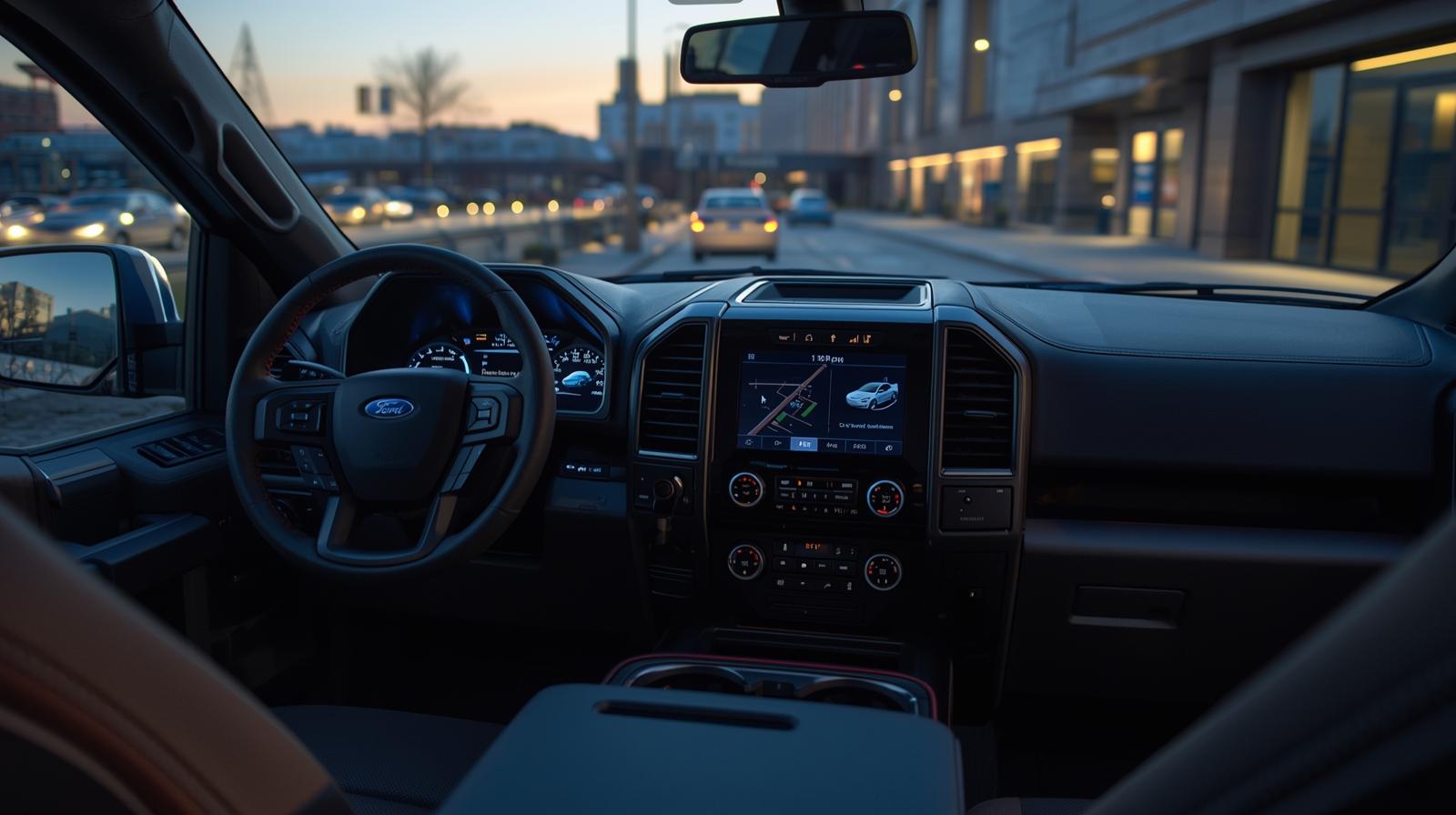
2026 F-150 Smart Tech Features: A Forward-Looking Guide
The 2026 F-150 smart tech features are expected to further strengthen Ford’s position as a leader in intelligent, connected pickup trucks. Building on the technological foundation of previous F-150 generations, the 2026 model is widely anticipated to introduce refinements in connectivity, driver-assistance systems, digital interfaces, and smart work solutions designed for both professional and everyday use.
While Ford has not officially released full specifications at the time of writing, this guide is based on verified trends from recent F-150 models, Ford’s technology roadmap, and broader automotive innovation patterns. The focus remains on realistic, experience-driven expectations rather than speculation.
Smart Technology Evolution in the F-150 Lineup
Over the past decade, the Ford F-150 has steadily evolved from a traditional work truck into a digitally integrated vehicle. Recent generations introduced advanced infotainment systems, semi-autonomous driving aids, over-the-air updates, and productivity-focused onboard technology.
The 2026 model is expected to continue this trajectory by improving system intelligence, responsiveness, and real-world usability rather than adding unnecessary complexity. This approach aligns with Ford’s emphasis on practical innovation that delivers measurable value to drivers.
2026 F-150 Smart Tech Features for Connectivity and Infotainment
Next-Generation Infotainment Interface
One of the most anticipated 2026 F-150 smart tech features is an enhanced infotainment experience. Based on Ford’s current development direction, the system is expected to offer:
- A larger, higher-resolution central touchscreen
- Faster processing for smoother menu navigation
- Improved voice recognition accuracy
- Customizable driver profiles
The interface will likely continue to support wireless smartphone integration, allowing drivers to access navigation, media, and communication tools without physical connections.
Cloud-Connected Vehicle Ecosystem
Cloud connectivity is becoming central to modern vehicle ownership. The 2026 F-150 is expected to expand its connected services by enabling:
- Real-time traffic and route optimization
- Remote vehicle status monitoring via mobile apps
- Scheduled software and feature updates
These capabilities allow the truck to improve over time while reducing the need for physical dealership visits.
Advanced Driver-Assistance and Safety Technologies
Intelligent Driver-Assistance Systems
Safety remains a core priority in Ford’s design philosophy. The 2026 F-150 smart tech features are expected to include refined driver-assistance systems designed to reduce fatigue and enhance situational awareness.
Likely advancements include:
- Improved adaptive cruise control with smoother speed modulation
- Enhanced lane-keeping assistance on highways
- Smarter collision-avoidance systems with better object recognition
Rather than replacing driver responsibility, these systems are designed to support informed, attentive driving.
Expanded Sensor and Camera Capabilities
Ford has consistently expanded camera and sensor coverage in recent F-150 models. The 2026 version is expected to benefit from:
- Higher-resolution exterior cameras
- Improved low-light visibility
- Better integration between sensors and onboard software
These improvements directly support towing, parking, and off-road navigation scenarios.
Smart Work and Towing Technology Enhancements
Intelligent Towing Assistance
Towing technology has become a defining strength of the F-150. The 2026 F-150 smart tech features are expected to further simplify complex towing tasks through:
- Advanced trailer detection and configuration
- Real-time weight and balance monitoring
- Predictive alerts for trailer sway and braking performance
These systems are especially valuable for commercial operators and recreational users managing heavy or variable loads.
Digital Worksite Integration
Ford has increasingly positioned the F-150 as a mobile workstation. The 2026 model is likely to refine this concept by offering:
- Improved onboard power management interfaces
- Enhanced productivity displays for work-related data
- Better integration with fleet management platforms
This technology supports contractors, logistics operators, and mobile professionals who rely on their vehicles as operational hubs.
Interior Intelligence and Driver Experience
Adaptive Digital Displays
The digital instrument cluster is expected to become more adaptive in the 2026 F-150. Drivers may benefit from displays that adjust information based on driving conditions, load status, or selected drive modes.
This contextual presentation reduces distraction while ensuring critical data remains easily accessible.
Personalization and User Profiles
Personalization continues to be a key differentiator in modern vehicles. The 2026 F-150 smart tech features may include expanded user profiles that remember:
- Seat and mirror positions
- Climate preferences
- Infotainment and navigation settings
These features improve comfort and efficiency, particularly for shared or fleet vehicles.
Software-Driven Innovation and Long-Term Value
Over-the-Air Software Updates
One of the most impactful trends in automotive technology is the shift toward software-defined vehicles. The 2026 F-150 is expected to leverage over-the-air updates to:
- Improve existing features
- Enhance system security
- Introduce new capabilities over time
This approach extends the truck’s relevance and reduces ownership friction.
Data Security and Privacy Considerations
As vehicles become more connected, data protection becomes critical. Ford has emphasized secure data handling in recent models, and the 2026 F-150 is expected to continue prioritizing:
- Encrypted data transmission
- User-controlled privacy settings
- Secure authentication for remote access
These measures help maintain trust and compliance with evolving digital standards.




Post Comment